

In a region where safety and stability are top priorities for individuals, businesses, and institutions, private protection services are seeing consistent demand. Whether it’s guarding shopping malls, residential compounds, embassies, or corporate offices, the need for reliable personnel is strong. If you’re considering your next step in a reliable profession, security guard jobs in Jordan may be the opportunity you’ve been looking for.
This guide offers a practical roadmap to break into the industry, from basic qualifications to professional growth paths. Whether you’re just out of school or looking to switch careers, there’s room to build a rewarding future in this essential field.
Understand the Role: What Does a Guard Actually Do?
Most people assume the job is just about standing still or monitoring cameras—but that’s only part of it. In reality, a guard plays multiple roles depending on the setting.
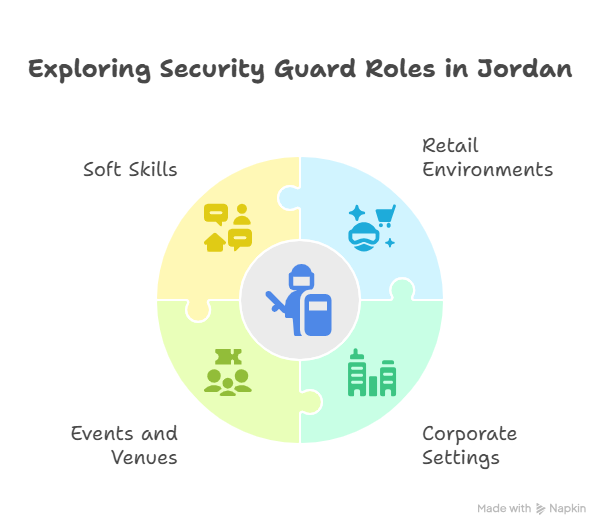
In retail environments, you’ll be focused on preventing theft and assisting with crowd control. In corporate settings, you might be responsible for checking credentials, logging visitors, and conducting perimeter rounds. At events or venues, responsibilities shift toward access control and emergency preparedness.
Soft skills matter as much as physical presence. Observation, communication, and calm decision-making are what make someone stand out in this field.
Get the Right Education and Basic Training
While you don’t need a university degree, a high school diploma is generally expected. More importantly, employers value individuals who are punctual, trustworthy, and alert.
Many companies offer on-the-job training, but having a basic understanding of safety procedures, emergency response, and incident reporting gives you an advantage. There are also specialized courses offered by licensed academies that cover topics like first aid, conflict resolution, and even legal rights and limitations.
If you’re fluent in Arabic and English, that’s another asset—especially for roles at embassies, international businesses, and hospitality venues where communication is key.
Meet the Physical and Legal Requirements
Most entry-level roles require applicants to be in reasonably good health. You should be able to stand for long periods, stay alert during quiet shifts, and respond quickly when needed. While you don’t need to be a bodybuilder, a basic level of fitness goes a long way—especially in roles where you’re responsible for physical patrols or crowd control.
Background checks are also standard. Candidates must typically have a clean record and be able to pass any security clearance required by the employer. Honesty during the application process is critical—your reputation in this field matters.
Choose the Right Employer or Agency
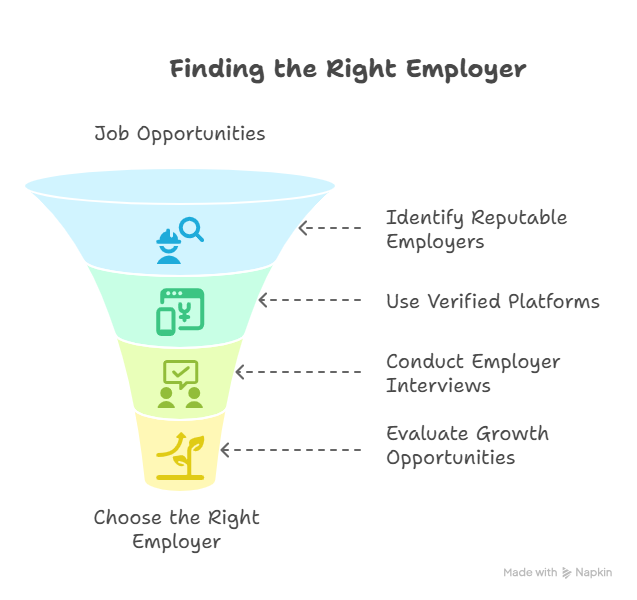
Finding a reputable company to work with is a big step in building a long-term career. Well-established employers are more likely to offer stable contracts, consistent shifts, and opportunities for promotion. They also provide structured training programs and better support during emergencies or incidents.
Platforms like thesecuredjordan.com focus on connecting qualified talent with verified opportunities, making the process more transparent for job seekers. It’s not just about getting placed—it’s about finding the right environment to grow in.
Don’t just say yes to the first opportunity. Interview your employer as well. Ask about team structure, shift patterns, rotation policies, and opportunities for advancement.
Understand the Different Sectors You Can Work In
There’s a surprising amount of variety in this line of work. Here are just a few examples of where you might end up working:
- Residential buildings and compounds – controlling access, managing guest lists, and providing peace of mind to residents.
- Retail stores and malls – preventing theft, helping customers, and handling crowd safety during peak hours.
- Corporate offices – dealing with deliveries, checking IDs, and responding to fire alarms or technical issues.
- Events and concerts – ensuring ticketed access, monitoring crowds, and coordinating with emergency services.
- Government buildings or embassies – maintaining high-alert readiness and confidentiality in sensitive environments.
Each environment comes with its own rhythm, challenges, and expectations. As you gain experience, you can specialize in the area that suits you best.
Consider Long-Term Growth Opportunities
This isn’t just a job—it can be a career. Many professionals in this field start as frontline staff and eventually move into supervisory or management roles. Others branch into specialized areas such as risk assessment, logistics security, or private client services.
Certifications can help you climb the ladder. Leadership courses, advanced threat assessment training, and even digital surveillance certifications add to your resume. The more you learn, the more valuable you become—not just to one employer, but to the industry as a whole.
Some seasoned professionals even move into training roles or start their own consultancy firms. Experience, trust, and consistency open doors over time.
Learn How to Handle Pressure and Stay Professional
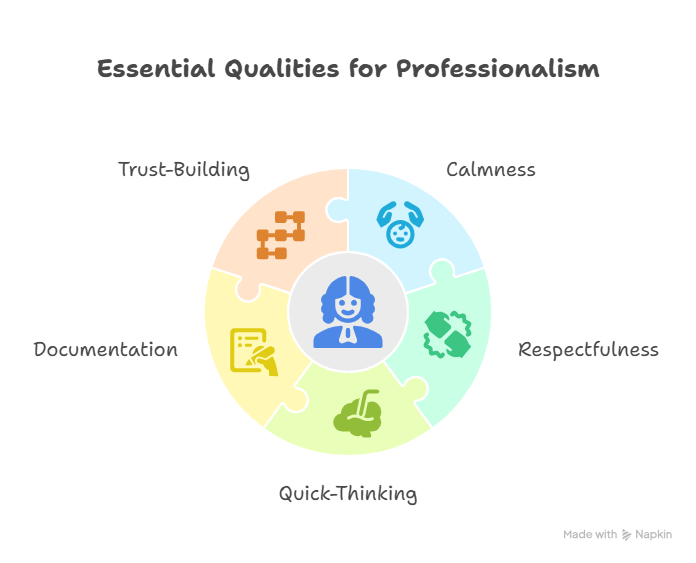
This line of work isn’t always action-packed, but when something happens, you need to stay calm. Whether it’s an angry customer, a medical emergency, or an unexpected alarm, your response can make all the difference.
Being respectful, composed, and quick-thinking are essential qualities. You’re not just representing yourself—you’re representing your team and your company. Building that trust is how you earn long-term respect and job.
Always document incidents properly and follow procedure. These small actions go a long way in building your reputation and showing that you take your responsibilities seriously.
Stay Informed and Keep Improving
The world is constantly evolving, and with it, so are safety challenges. Technology now plays a major role in this industry. From mobile patrol apps to smart CCTV systems, knowing how to use modern tools gives you an edge.
Read industry updates, follow local news, and keep your certifications up to date. Attend workshops or seminars when possible. The more you invest in yourself, the more confident and competent you’ll become in the field.
Choosing this path is about more than getting a uniform or a job—it’s about stepping into a role that people depend on. When done with integrity, alertness, and care, this profession earns deep respect. If you’re serious about building a solid, meaningful career that makes a real difference, there’s a place for you in this field.